
Professional Hair Clipper: The 8-Combo Tool Every Barber Needs
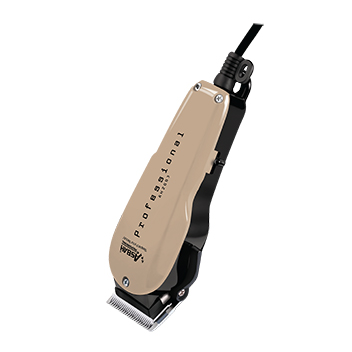
A professional hair clipper is the most-used tool on any barber station. Barbers rely on it for cuts, trims, tapers and clean edges — all with a single tool. The Asbah Beauty Professional Hair Clipper is a proven workhorse that comes with 8 guide combs, high precision blades, a convenient thumb lever and a 1–35 mm cutting range. It carries the People's Choice tag among working barbers, is built in Mumbai, India, and is backed by Asbah Beauty's 1-year warranty and lifetime repairs & services.
A clipper does its real work quietly, chair after chair. What separates a good one from a frustrating one shows up within the first few cuts: does the blade snag on thick hair, does the motor drag or vibrate, does changing length require hunting for attachments, and can you blend a fade without touching a guard? The ASBAH Professional Hair Clipper was designed to say yes to all four. Its high precision blades cut cleanly through dense Indian hair, a 15W motor delivers steady power with minimal vibration, and the thumb lever gives you fading control mid-cut — without ever setting the clipper down.
In this guide we walk through the clipper's key features, how each part works, how to fade with the thumb lever, corded versus cordless choices, the full 1–35 mm cutting guide and the maintenance habits that keep a clipper running for years — so you can decide with confidence whether it belongs on your station.
Key Features That Matter
- 8 Guide Combs — full 1–35 mm length control; swap combs to change length in seconds
- High Precision Blades — clean, snag-free cuts on every stroke
- Convenient Thumb Lever — adjust blade depth with one thumb for smooth fading
- People's Choice — the go-to clipper trusted by working barbers
- 15W motor — steady cutting power with minimal vibration
- 1-year warranty + lifetime repairs & services — built for daily salon duty
Anatomy of a Professional Clipper
- Blades — high precision steel blades do the cutting; kept sharp for snag-free strokes
- Guide combs — plastic combs from 1 mm to 35 mm lock onto the blade to control length
- Thumb lever — moves the top blade open and closed; this is what lets you taper and fade
- Body — ergonomic, balanced grip that stays comfortable through a full day of clients
Every part has a simple job, but they have to work together at speed. The blade must stay sharp and aligned, or it snags. The combs must lock on securely, or the length changes mid-cut. The lever must return smoothly, or the fade becomes a guessing game. And the body must balance in the hand so a barber can work eight straight hours without cramping. When all four are right — as they are on the ASBAH Professional — the clipper disappears into the workflow and the cut takes centre stage.
Hair type also matters in how a clipper behaves. Thick, coarse Indian hair needs a strong motor and sharp blades; a weak machine slows down and pulls rather than cutting. The 15W motor on this clipper keeps blade speed steady even through dense sections, and the high precision blades slice through rather than grab. For thinner or finer hair, the same clipper works with lighter pressure and a longer guide comb, which keeps the cut even without over-removing.
1–35 mm Cutting Guide
Skin fades & close tapers — crisp necklines and clean edges.
Crew cuts & short buzz trims — the everyday barbershop length.
Short scissor-over-comb finish — easy, even all-over trimming.
Medium-length trims & beard control — keep shape without going too short.
How to Fade with the Thumb Lever
A fade is the difference between a haircut and a statement. And the thumb lever is the tool that makes a real fade possible without a second clipper. Here is a step-by-step approach any barber can follow.
- Start long. Begin at the top with a longer guide comb, cutting the crown and upper sides to your starting length.
- Work down through the combs. Drop to shorter combs as you move toward the ears and nape, keeping each zone even.
- Open the lever for the blend. At the transition line, use the thumb lever to open the top blade gradually. This thins the hair where two lengths meet, so the fade looks smooth instead of stepped.
- Refine with the clipper over comb. Close the lever and work over a wide-tooth comb for the final blend between zones.
- Detail the edges. Finish the neckline, sideburns and around the ears with the clipper free of any guard.
Corded vs Cordless: What Suits Your Station
Most working barbers keep a corded clipper as their primary tool. A corded clipper like the ASBAH Professional never loses power mid-cut, never needs charging during a busy Saturday, and gives the same torque from the first head to the last. There is no battery to degrade over years of daily use, and the motor draws constant current from the mains, so cutting performance stays identical no matter how long the day runs.
Cordless clippers win on freedom — no cable to manage, easy to use around the neck and ears, convenient for home touch-ups. The trade-off is battery management: you have to keep it charged, and cutting power can dip as the charge drops. For high-volume barbershops where the machine runs all day, most professionals choose corded for reliability, and keep a cordless unit for trims and finishing. For home use, either works; a corded unit simply removes the "dead battery" problem entirely.
Why Barbers Trust It
A barber's clipper has to survive an 8–10 hour day. The ASBAH Professional Hair Clipper delivers clean cuts on every stroke, and the thumb lever lets you blend and fade without reaching for extra attachments. Changing guide combs takes seconds, so you can move from a skin fade to a short crop without breaking pace. That reliability is exactly why it earned the People's Choice tag — and why it comes with a 1-year warranty and lifetime repairs & services.
The 8 Guide Combs Explained
Eight guide combs may look like a lot of plastic, but each one has a job. Together they cover the full 1–35 mm range, which means one clipper can handle a skin fade, a crew cut, a school-boy crop and a beard trim without any extra tool. The shortest combs (1–3 mm) sit close to the blade for precise fades and outlines. The mid-range combs (6–18 mm) cover the everyday cuts that most barbershops deliver. The longer combs (24–35 mm) protect length for medium trims and beard control, so you can keep a shape without going too short.
Because each comb snaps on in seconds, you can change lengths between clients without slowing the chair. Over time, that flexibility pays for itself: fewer tools to buy, less counter space, and no awkward switching between machines mid-cut.
Setting Up Your Clipper for the First Use
Before the first haircut, take two minutes to prepare the clipper and save yourself problems later.
- Clean the blades. New clippers carry manufacturing residue; wipe the blades with a dry cloth.
- Oil lightly. Add one drop of clipper oil between the blades and run the machine briefly to spread it.
- Fit the combs. Snap each guide comb on and off once to confirm it locks securely.
- Test the lever. Move the thumb lever through its full range so the top blade opens and closes smoothly.
- Check the cable. Inspect the cord for kinks and keep it out of the way of the blade.
5 Cutting Mistakes to Avoid
- Skipping guard changes — guessing the length by eye instead of using the right comb leaves uneven zones and rework.
- Rushing against the grain — cutting against the grain gives the cleanest result, but only at a steady, even pace.
- Forgetting to oil the blades — a dry blade heats up, snags and dulls faster; oil before every working day.
- Cutting wet hair with a clipper — wet hair clumps and pulls; clippers work best on dry, clean hair.
- Pressing down hard — let the blade do the work. Extra pressure only drags the skin and shortens the cut unevenly.
How to Use & Maintain
To use: work on dry, clean hair → attach the right guide comb → section the hair → adjust the lever for blending → glide the clipper against the grain for a clean cut.
- Brush hair off the blades after every use
- Apply a drop of clipper oil to the blades regularly
- Check that combs and screws stay tight
- Wrap the cord loosely when storing
- Keep the blades dry and clean
A well-maintained clipper stays sharp and quiet for years. The two habits that matter most are brushing and oiling. After each cut, brush hair out of the blades — trapped clippings make the blades noisy and slow. Before each working day, add a single drop of clipper oil between the blades and run the machine for a few seconds to distribute it. This keeps the blades cool, prevents snagging on thick hair and dramatically extends the life of the cutting edge. Store the clipper with the blades covered and the cord coiled loosely so nothing bends or dulls the edge.
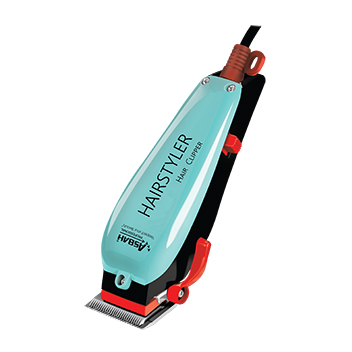
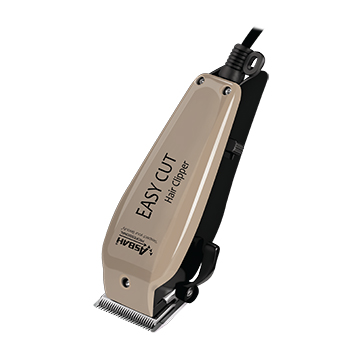
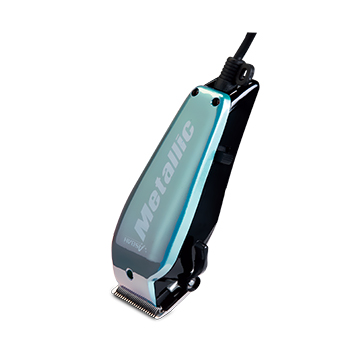
Explore More Hair Clippers
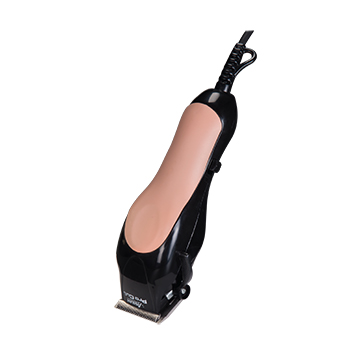
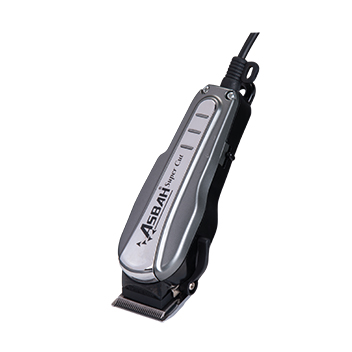
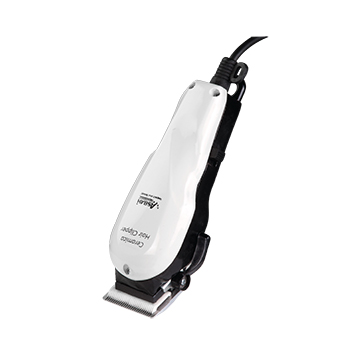
Build a full barbershop kit with Asbah's other professional clippers — made in India.
Frequently Asked Questions
What are the 8 guide combs for?
They control cutting length from 1 mm to 35 mm, so you can switch styles instantly by swapping combs.
What does the thumb lever do?
It opens and closes the top blade, letting you taper and fade without changing attachments.
Can I use it at home?
Yes. It is ideal for home haircuts, trims and beard shaping.
How do I clean the blades?
Brush off hair clippings after each use and apply a little clipper oil to keep the blades smooth.
What is the warranty?
Asbah Beauty offers a 1-year warranty plus lifetime repairs & services.
How do I fade hair with a clipper?
Start with a longer guide comb at the top and work down through shorter combs. Use the thumb lever to open the blade gradually at the blend line so the change in length looks seamless instead of stepped.
Why should I oil clipper blades regularly?
Oiling reduces friction between the blades, keeps them cool during long cuts, prevents snagging and extends blade life. A single drop before each working day is enough.
View the Professional Hair Clipper
Check availability, full specifications and pricing on the product page.