
Hair Clipper vs Trimmer: What's the Difference?
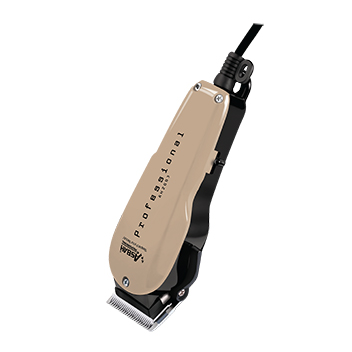
Walk into any busy barbershop and you will see two tools in almost every barber's hand — a clipper and a trimmer. They look similar but they do very different jobs. A hair clipper is built for bulk hair removal: it powers through thick hair with ease, uses guide combs to deliver consistent lengths and handles the heavy lifting of a haircut. A hair trimmer is smaller, lighter and designed for precision work — cleaning up the neckline, shaping a beard, defining edges and finishing the details that make a haircut look sharp. Asbah Beauty — a Mumbai-based professional salon equipment manufacturer trusted since 1962 — makes both: the Professional Hair Clipper at ₹2,400 and the Mini M Trimmer at ₹3,040. Each one is built for daily salon-grade use, backed by a 1-year warranty and lifetime repairs & services.
Understanding the difference between a clipper and a trimmer is not just technical knowledge — it directly affects the quality of every haircut you deliver. Using the right tool for each stage of the cut saves time, improves precision and gives clients a cleaner, more professional result. This guide breaks down exactly what each tool does, when to use one over the other and how the Asbah range fits into a barber's daily workflow.
What Is a Hair Clipper
A hair clipper is a motorized cutting tool designed for removing large amounts of hair quickly and evenly. It uses two sets of oscillating blades — a fixed blade and a moving blade — that slide past each other to cut hair. The cutting length is controlled by attaching guide combs (also called attachment guards) that hold the blades at a set distance from the scalp. This lets barbers achieve consistent lengths across the entire head without relying on manual skill alone.
Clippers are heavier than trimmers because they house a more powerful motor — either magnetic, pivot or rotary — that drives the blades through thick, dense hair without stalling. The Asbah Professional Hair Clipper, for example, runs at 15 watts and comes with 8 guide combs covering cutting lengths from 1 mm to 35 mm. That range means a single clipper can handle everything from a close crop to a longer, textured style. The thumb lever on the side adjusts the blade position for tapering, blending and fade work without changing combs.
What Is a Hair Trimmer
A hair trimmer is a smaller, lighter cutting tool designed for precision and detail work. It uses the same oscillating blade mechanism as a clipper but with narrower blades, a lighter motor and a more compact body that fits comfortably in one hand. Trimmers are built for the finishing touches: cleaning up the neckline, defining the edges around the ears, shaping sideburns and refining the shortest sections of a fade.
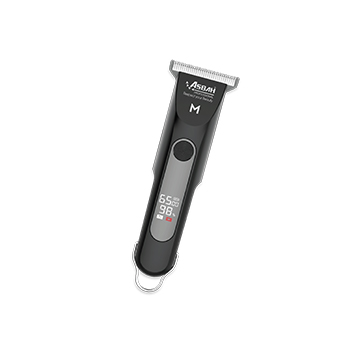
Trimmers typically do not come with as many guide combs as clippers — the Asbah Mini M Trimmer includes 3 guide combs — because they are not intended for bulk hair removal. Their strength is control. The narrower blade head lets barbers see exactly where they are cutting, making it easier to create clean, sharp lines that a clipper's wider blade cannot achieve. Many trimmers are also cordless, which adds to their maneuverability for detail work around the face and neck.
Key Differences Between Clippers and Trimmers
Both tools cut hair using oscillating blades, but they differ in size, power, purpose and the results they deliver. Here is a clear breakdown.
Bulk removal and longer cuts. Heavier, more powerful motor. Wider blade. 8 guide combs (1–35 mm). Best for the main haircut — fading, tapering and removing length across the entire head.
Precision and finishing work. Lighter, more compact body. Narrower blade. 3 guide combs. Best for necklines, edges, sideburns, beard detailing and cleaning up after the clipper work.
Complete haircut workflow. The clipper handles the bulk of the cut. The trimsmer refines the edges, cleans the neckline and adds the finishing touches that make the cut look professional.
- Blade width — Clippers have wider blades (typically 40–46 mm) for covering more surface area. Trimmers have narrower blades (typically 28–32 mm) for visibility and precision.
- Motor power — Clippers use stronger motors (10–20W) to cut through thick hair. Trimmers use lighter motors (3–8W) optimized for fine, detailed work.
- Guide combs — Clippers come with 6 to 8 guide combs for varied cutting lengths. Trimmers come with 2 to 4 combs, mostly for slightly longer detail work.
- Weight and size — Clippers are larger and heavier, designed for two-handed control. Trimmers are compact and light, designed for one-handed precision.
- Cord vs cordless — Many clippers are corded for consistent power during long sessions. Many trimmers are cordless for freedom of movement during detail work.
- Primary use — Clippers handle the haircut itself. Trimmers handle the finishing touches — edges, neckline, sideburns and beard work.
When to Use a Clipper vs a Trimmer
The choice depends on the stage of the haircut and the level of precision required.
- Full haircut — use a clipper. Attach the appropriate guide comb, work through the hair in sections and remove bulk quickly and evenly.
- Fade or taper — use a clipper for the longer sections and transition zones, then switch to a trimmer for the shortest sections near the skin line.
- Neckline cleanup — use a trimmer. The narrower blade gives better visibility and control for creating a clean, defined neckline.
- Edge and outline — use a trimmer. Around the ears, along the sideburns and around the forehead, a trimmer creates the sharp lines that define a polished cut.
- Beard trimming — use a trimmer for short, shaped beards. For thick, long beards, a clipper with a longer guide comb can remove bulk first, then the trimmer refines the shape.
- Touch-ups between clients — use a trimmer. A quick pass over the neckline and edges keeps things neat without needing to set up the clipper again.
The Asbah Clipper and Trimmer Range
Asbah makes professional-grade clippers and trimmers built for daily salon use. Here is a quick overview of the two main options.
- Professional Hair Clipper — ₹2,400 (MRP ₹3,200). 15W, 8 guide combs (1–35 mm), high precision blades, convenient thumb lever. People's Choice. The go-to clipper for barbers who need reliability and versatility.
- Mini M Trimmer — ₹3,040 (MRP ₹4,050). 5W, cordless and rechargeable, 3 guide combs, wide grain precision blades. Ideal for detail work, edging and finishing touches.
- Recharge Trimmer — ₹3,540 (MRP ₹4,720). 5W, adjustable lever, 4 guide combs, precision blades. A step up for barbers who want more comb options and lever control in a trimmer.
The Professional Barber Workflow
A skilled barber does not choose between a clipper and a trimmer — they use both in sequence. Here is the standard workflow that delivers the cleanest results.
- Consultation — understand the client's desired length and style. Choose the right guide combs for the clipper.
- Bulk removal with the clipper — attach the longest guide comb first, work through the hair from the sides up, reducing guide comb size as you move toward the desired length.
- Fading and tapering with the clipper — use the thumb lever and shorter guide combs to blend the transition zones. Work from the bottom up, adjusting the lever as you go.
- Switch to the trimmer — clean the neckline, define the edges around the ears, shape the sideburns and refine the shortest sections of the fade.
- Detail work — use the trimmer freehand (without a guide comb) to create sharp lines along the forehead and around the ears.
- Final check — inspect the cut from all angles, touch up any uneven sections and finish with a neck strip or powder.
Common Mistakes to Avoid
- Using a clipper for detail work — the wide blade is too large for precise edging. It will create uneven lines and waste time.
- Using a trimmer for bulk removal — the small blade and lighter motor will struggle with thick hair, pulling and tugging instead of cutting smoothly.
- Not oiling the blades — both clippers and trimmers need regular oiling to keep the blades sharp and prevent overheating. Oil after every 2 to 3 uses.
- Ignoring the guide combs — guide combs are not optional accessories. They ensure consistent cutting lengths and prevent accidental patches of uneven hair.
- Skipping the neckline cleanup — a haircut is not complete without a clean neckline. Always finish with a trimmer to define the edges.
- Using dull blades — dull blades pull hair instead of cutting it, causing discomfort for the client and uneven results. Replace or sharpen blades regularly.
Care and Maintenance
- Clean hair from the blades after every use using a small brush
- Oil the blades after every 2 to 3 uses with clipper oil
- Check the power cord and plug for damage before each use (for corded clippers)
- Charge cordless trimmers fully before use and store them with the charger disconnected
- Store clippers and trimmers in a clean, dry place — a trolley or sanitiser cabinet protects them from dust and moisture
- Replace blades or have them professionally sharpened when they become dull
Clippers and trimmers are the backbone of every barbershop. Treat them well and they will reward you with years of reliable performance. When they do need attention, Asbah's lifetime repairs & services programme ensures your tools are back in action quickly — because downtime in a barbershop means lost clients.
Explore the Asbah Clipper and Trimmer Range
Professional-grade clippers and trimmers built for daily salon use — made in India.
Frequently Asked Questions
What is the main difference between a hair clipper and a trimmer?
Hair clippers are designed for bulk hair removal and longer cuts using guide combs, while trimmers are smaller, more precise tools for detailing, edging and finishing work. Clippers handle the heavy lifting; trimmers refine the edges.
Can I use a trimmer instead of a clipper for a full haircut?
A trimmer can cut hair but it is slower and less efficient than a clipper for full haircuts. Trimmers are best for touch-ups, necklines and detail work. For a complete haircut, a clipper with guide combs is faster and gives more consistent results.
Which is better for fade haircuts — clipper or trimmer?
Both are needed for a professional fade. The clipper handles the bulk removal and longer sections with guide combs, while the trimmer refines the shortest sections near the skin line and creates clean edges. A quality fade requires both tools.
What guide combs does the Asbah Professional Hair Clipper come with?
The Asbah Professional Hair Clipper comes with 8 guide combs covering cutting lengths from 1 mm to 35 mm. This range lets barbers handle everything from skin fades to longer tapers using a single clipper.
Is the Asbah Mini M Trimmer cordless?
Yes. The Asbah Mini M Trimmer is cordless and rechargeable, making it ideal for detail work, travel and touch-ups between clients. It comes with 3 guide combs and precision stainless steel blades.
Can a clipper be used for beard trimming?
A clipper can trim a beard, especially if it is thick or long, but it is bulkier than a trimmer and harder to maneuver around the jawline and mustache. For precise beard shaping and detailing, a trimmer is the better choice.
How often should I oil my clipper blades?
Oil your clipper blades after every 2 to 3 uses or whenever you notice the blades getting hot or pulling hair. Apply a few drops of clipper oil to the blades while they are running, then wipe off the excess. Regular oiling keeps blades sharp and extends their life.
What is the warranty on Asbah clippers and trimmers?
All Asbah Beauty clippers and trimmers come with a 1-year warranty and lifetime repairs and services. This covers manufacturing defects and ensures your tools stay in working condition for years.
View the Professional Hair Clipper
Check availability, full specifications and pricing on the product page.